Truck & Car Guides / Road safety
Runaway truck ramps
What runaway truck ramps are, how gravel arrester beds stop a truck with failed brakes, how drivers prevent brake fade on long grades, and why car drivers must never use or block them.
What they are
On long, steep mountain highways, you will see signs for runaway truck ramps (also called escape ramps or emergency escape ramps). They are lanes that leave the road and end in a bed of deep, loose gravel or sand. If a heavy truck's brakes fail or overheat on a descent, the driver can steer into the ramp, and the gravel brings the truck to a stop.
General education only. Truck drivers should follow their training, carrier policies and posted signs on every grade.
Why trucks run away
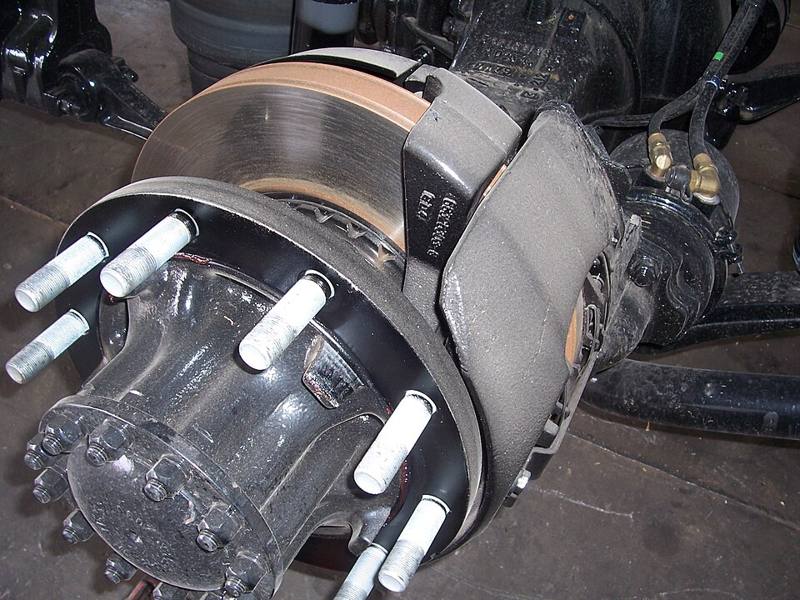
Heavy trucks rely on friction brakes that turn motion into heat. On a long downgrade, constant braking can overheat the brakes until they lose effectiveness, a condition called brake fade. Poorly adjusted brakes, an overloaded truck or starting the descent in too high a gear make it much worse. Once a truck is gaining speed with weak brakes, it may not be able to slow down at all.
Types of escape ramps
| Type | How it works |
|---|---|
| Gravity (uphill) ramp | An uphill lane that uses gravity to slow the truck, often with gravel |
| Arrester bed | A long bed of deep, loose, rounded gravel that the wheels sink into |
| Sand pile | Mounds of loose sand, less common |
| Mechanical arrester | Nets or cables that catch the truck, used where space is tight |
Most US ramps use arrester beds of rounded gravel. The wheels sink into the loose material, which absorbs the truck's energy quickly but in a controlled way. Ramps are often built on an upgrade where the terrain allows, to add gravity's help.
How drivers prevent runaways
The best runaway ramp is one you never need. Commercial driver training teaches a clear approach:
- Know the grade. Check signs and route information for steep downgrades.
- Choose a low gear before the descent, not partway down. A common guideline is to use a gear at least as low as you would need to climb the same hill.
- Use the engine brake (jake brake) to hold speed; see jake brakes.
- Use snub braking. Pick a safe speed. When you reach it, brake firmly enough to slow about 5 mph below it, then release. Repeat when speed returns to the safe speed. This keeps brakes cooler than light constant pressure.
- Check brake adjustment in your pre-trip inspection; see the pre-trip inspection checklist.
- Watch for warning signs: a burning smell, smoke from the wheels, or brakes that need more pedal to do the same job.
Using a ramp
If brakes fail on a descent, a ramp is the right choice. Drivers are trained to:
- Steer straight into the ramp, as near the center as possible
- Stay in the cab and hold on firmly
- Not try to brake hard in the gravel or steer sharply
- Call for help once stopped; the truck will need recovery
Using a ramp is not something to be ashamed of. It is what ramps are for, and a ramp saves lives on the road below.
Notes for car drivers
- Never use a runaway ramp as a pull-off, parking spot or viewpoint. A truck may need it at any moment.
- Never stop at the entrance or block it in traffic.
- Give trucks space on downgrades; a truck behind you may be fighting hot brakes. See sharing the road.
Many famous mountain passes, such as stretches of Interstate 70 in the Colorado Rockies, have several escape ramps on their long descents.