Truck & Car Guides / Trucks explained
Jake brakes and engine braking
That loud rapid-fire roar from a truck coming down a hill is the engine brake at work. Here is how it slows the truck without wearing out the brakes, and why some towns restrict it.
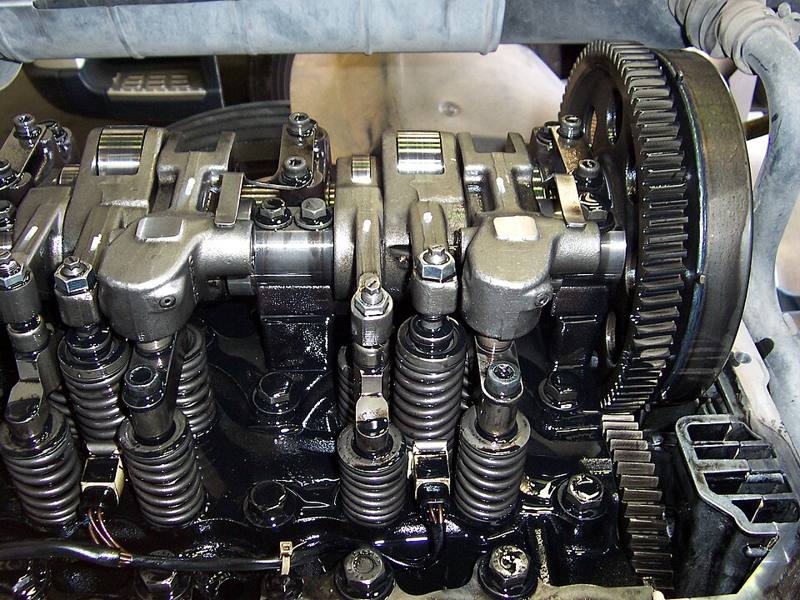
What a Jake brake is
A compression release engine brake turns a diesel engine into an air compressor that soaks up energy. Normally, the engine compresses air on the compression stroke and that compressed air pushes the piston back down, returning most of the energy. An engine brake opens the exhaust valves near the top of the compression stroke and dumps the compressed air out. The energy used to squeeze it is gone, so the engine resists turning, which slows the wheels.
"Jake Brake" is a trademark of Jacobs Vehicle Systems, which began producing the device in the early 1960s based on a design by Clessie Cummins. Drivers use the name for almost any engine brake, much as people say "Kleenex" for tissues.
Why it matters
On a long downgrade, a loaded truck's service brakes would have to absorb an enormous amount of heat. Engine brakes take a large share of that work, so:
- The service brakes stay cool and ready for emergencies.
- Brake shoes and drums last much longer.
- The driver can hold a steady speed down a mountain with only light, occasional braking.
Types of auxiliary braking
| Type | How it works | Notes |
|---|---|---|
| Compression release (Jake) | Releases compressed air at top of stroke | Strongest common type; loud with poor mufflers |
| Exhaust brake | Closes a valve in the exhaust to create back pressure | Common on pickups and medium trucks; quieter, less powerful |
| Driveline retarder | Hydraulic or electric device on the driveline | Common in buses, some heavy trucks in Europe; nearly silent |
| Transmission retarder | Built into an automatic transmission | Common on buses and refuse trucks |
Most engine brakes have several settings, often low, medium and high, which open the valves on more or fewer cylinders.
The noise and "No Engine Brake" signs
A compression release brake makes a sharp, staccato bark, especially with a straight pipe or worn muffler. Many towns post signs such as "Engine brake use prohibited" or "Brake retarders prohibited" within city limits. A truck with a proper, legal muffler is far quieter, which is why some places only ban unmuffled engine brakes.
Drivers respect these signs, using the service brakes and a lower gear through town, then re-engaging the engine brake on the open road where needed.
When not to use it
- On slippery roads: engine braking acts only on the drive wheels. On ice or wet roads, sudden drive-wheel braking can lock the wheels or cause a jackknife, especially when the trailer is empty. Many drivers turn engine brakes off or to the lowest setting in slick conditions. See winter driving.
- With a bobtail (no trailer): the drive axle is lightly loaded and more likely to lose grip.
- Where prohibited by local ordinance.
Using it on a downgrade
The general method taught in CDL programs:
- Slow down and pick a low gear before the descent starts. A common rule of thumb is that you will need a gear at least as low as you would use to climb that hill.
- Turn on the engine brake at the appropriate setting.
- Choose a safe, steady speed and use firm, brief brake applications when the truck goes a few miles per hour above it, letting it slow a few mph below, then releasing.
- Watch for brake-check areas and runaway ramps, and obey posted truck speeds on grades.
This is a general overview, not a training course. Follow your carrier's policies, your state CDL manual and posted grade signs.
Engine brakes and modern trucks
Today's trucks blend the engine brake with cruise control and automated manual transmissions. Many will automatically downshift and apply the engine brake to hold a set downhill speed. The physics have not changed: the more energy the engine absorbs, the less heat goes into the air brakes.