Truck & Car Guides / Trailers & loads
Intermodal containers and drayage
The steel shipping container changed world trade. Here is how containers move between ships, trains and trucks, and what drayage drivers do at ports and rail yards.
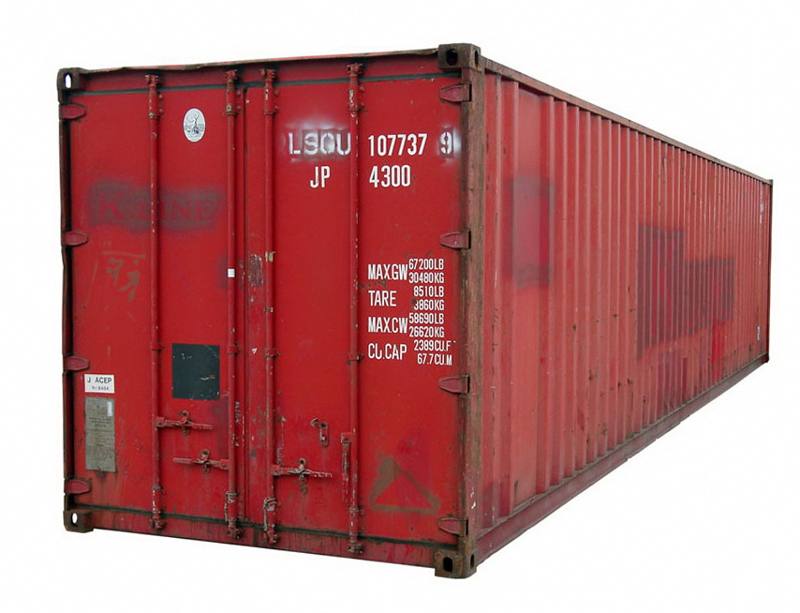
One box, many modes
Intermodal means a load travels by more than one mode, such as ship, rail and truck, without being unpacked. The standardized steel shipping container makes that possible. A crane lifts the box off a ship onto a train or truck chassis, and the freight inside is not touched until it reaches the warehouse.
Before containers, ships were loaded piece by piece by dock workers, which could take days. In 1956, trucking entrepreneur Malcom McLean sent a converted tanker ship, the Ideal X, from Newark to Houston carrying containers. The idea spread and transformed global shipping.
Container sizes
| Container | Length | Common use |
|---|---|---|
| 20 ft | 20 ft | Heavy, dense goods; ocean shipping |
| 40 ft | 40 ft | General ocean freight |
| 40 ft high cube | 40 ft, extra height | Lightweight, bulky goods |
| 45 ft | 45 ft | Some ocean and domestic routes |
| 53 ft domestic | 53 ft | North American rail and truck freight |
Ocean containers are 8 feet wide. Standard height is 8 feet 6 inches; "high cube" containers are 9 feet 6 inches. Capacity is often measured in TEU (twenty-foot equivalent units): a 40-foot box counts as two TEU.
Refrigerated containers, open tops, flat racks and tank containers exist for special cargo.
The chassis
A container cannot be pulled on its own. It sits on a chassis, a skeletal trailer frame with twist locks at the corners that lock into the container's corner castings. Chassis may belong to the trucking company, the shipping line or a chassis pool. Drivers inspect the chassis like any trailer: tires, lights, brakes and the twist locks.
Always confirm every twist lock is engaged before leaving a terminal. An unlocked container can shift or fall off in a turn.
Drayage: the short, busy haul
Drayage is the short truck move between a port or rail yard and a nearby warehouse or distribution center. Drayage drivers:
- Pick up containers at marine terminals or rail ramps using appointment systems.
- Carry a TWIC card (Transportation Worker Identification Credential) for access to secure port areas.
- Deliver loaded containers, then return empties.
- Deal with terminal congestion and wait times that can be long.
Drayage is usually local work with day cabs. Pay may be per move rather than per mile.
Weight challenges
A container is packed by someone else, often overseas. Drivers cannot see inside, and weight may be unevenly loaded. Heavy 20-foot containers of things like tile or stone can reach legal limits quickly. Ports and highways have weigh stations for this reason, and some states allow overweight container permits near ports. See weight limits and the bridge formula.
Rail intermodal
On long domestic routes, trucks hand containers and trailers to railroads for the middle of the journey. Double-stack trains carry containers two high, which is very fuel-efficient per ton-mile. Trucks handle the first and last miles. For shippers, intermodal often costs less than all-truck shipping over long distances, but takes longer.
Why it matters
Most imported goods on store shelves spent part of their journey in a container. Every one of those boxes starts or ends its land trip on a truck chassis, which makes drayage drivers a vital link in the supply chain. For more on how freight is booked and paid, see freight, dispatch and load boards.