Truck & Car Guides / Trailers & loads
Trailer types compared
A side-by-side look at the main semi-trailer types in North America, what each one hauls, how it loads and what skills it demands from the driver.
Why the trailer defines the job
Two drivers in identical tractors can have completely different jobs depending on what is behind them. A dry van driver may never touch the cargo. A flatbed driver spends hours tarping and strapping. A tanker driver manages liquid surge. Choosing a trailer type is really choosing a kind of work.
The big comparison table
| Trailer | Typical length | What it hauls | Loading | Driver workload |
|---|---|---|---|---|
| Dry van | 48 or 53 ft | Packaged goods, pallets, boxes | Dock, from the rear | Low |
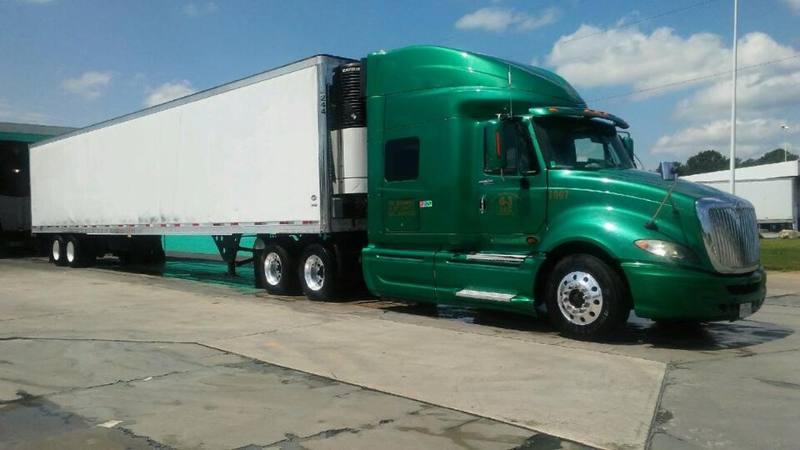
| Reefer (refrigerated van) | 48 or 53 ft | Food, flowers, medicine | Dock, from the rear | Medium (temperature) |
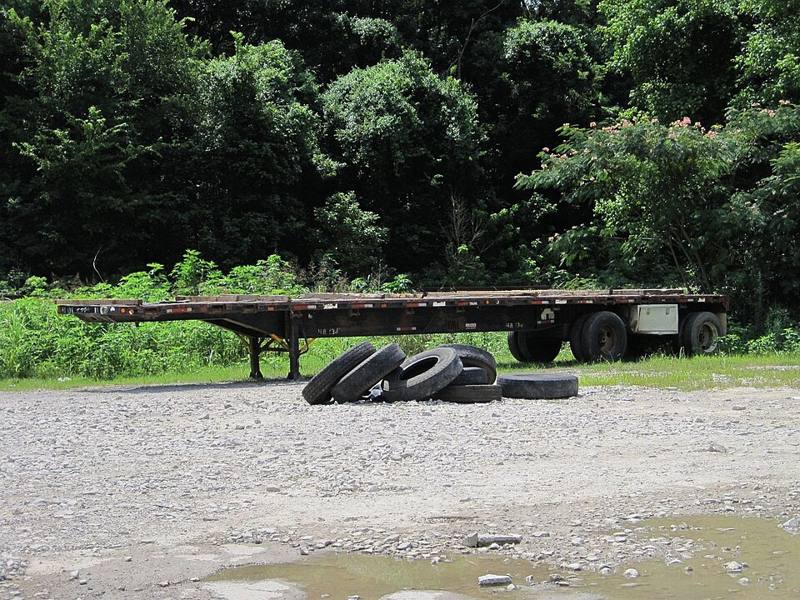
| Flatbed | 48 or 53 ft | Steel, lumber, pipe, building materials | Forklift or crane, from sides or above | High (securement, tarps) |
| Step deck (drop deck) | About 48 to 53 ft | Taller freight, machinery | Crane, forklift, ramps | High |
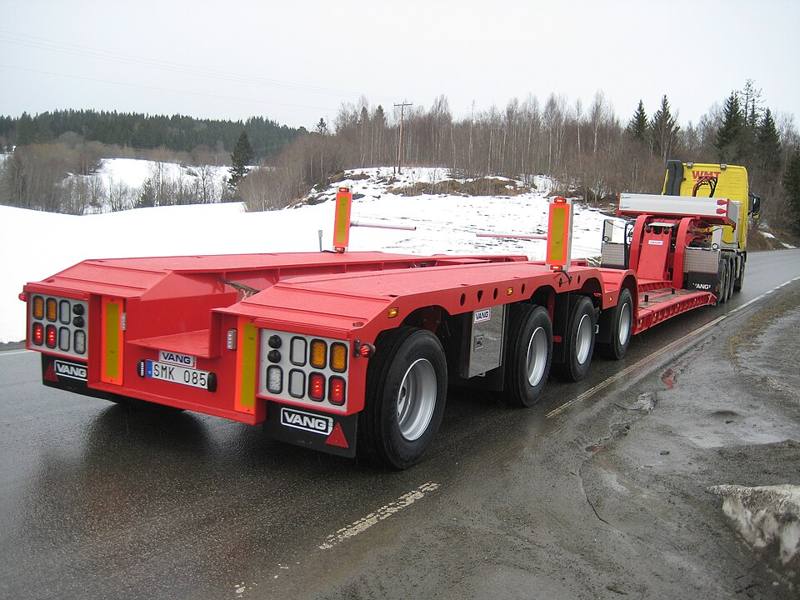
| Lowboy / RGN | Varies | Heavy equipment, very tall loads | Drive on (RGN detaches at front) | Very high, permits |
| Tanker | Varies | Fuel, chemicals, milk, food liquids | Pumps and hoses | High (surge, hazmat) |
| Car hauler | Varies | Cars and light trucks | Driven on, ramps and decks | High (tight fits, damage) |
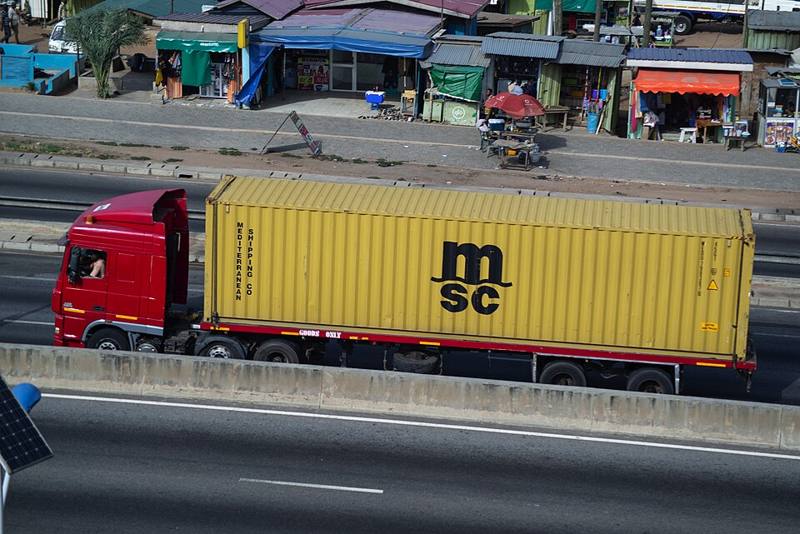
| Intermodal chassis | 20, 40, 45, 53 ft | Shipping containers | Crane at port or rail yard | Low to medium |
Most US states must allow semitrailers of at least 48 feet on the national network, and 53-foot trailers are standard for van freight in most of the country. Standard width is 102 inches (8.5 feet).
Enclosed trailers
Dry vans and reefers are boxes. Freight is protected from weather and usually loaded by warehouse staff. They are the most common entry point for new drivers. Read more in dry vans and reefers.
Open-deck trailers
Flatbeds, step decks and lowboys carry loads that are too big, heavy or awkward for a box: steel coils, lumber, machinery, wind-turbine parts. Pay per mile is often higher because the driver secures the load, but the work is physical and outdoors. See flatbed and step deck and lowboy and RGN.
Specialized trailers
- Tankers carry liquids or gases and often need a tank endorsement, plus hazmat for many products. See tankers.
- Car haulers pack cars onto multiple decks. See car haulers.
- Intermodal chassis carry shipping containers between ports, rail yards and warehouses. See intermodal containers.
- Dump trailers, hopper bottoms (grain), pneumatic tanks (dry bulk like cement or flour), livestock trailers and log trailers serve their own industries.
Doubles and triples
In some states and on some highways, a tractor can pull two or three shorter trailers. Twin 28-foot trailers, often called "pups," are common in less-than-truckload (LTL) freight. Pulling doubles or triples requires the T endorsement on a CDL. See CDL endorsements.
How to choose as a new driver
- Want predictable, mostly hands-off freight: dry van.
- Comfortable with appointments and temperature checks: reefer.
- Like physical work and want higher pay: flatbed.
- Want to specialize and have experience: heavy haul, tanker or car hauler.
Many carriers require 6 to 12 months of experience before they will put you on specialized equipment. Your first year is often in a dry van or reefer.